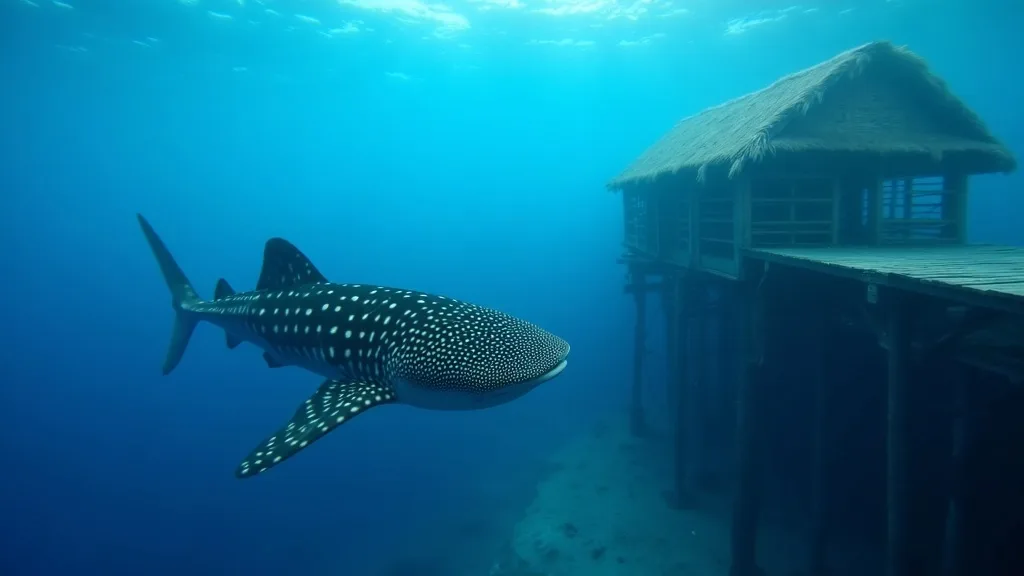
In 2027, Raja Ampat’s marine protected areas will continue to enforce stringent permit requirements, essential for managing visitor impact and funding crucial conservation efforts. These regulations, evolving to meet increasing demand, directly contribute to the preservation of the region’s globally significant biodiversity and fragile ecosystems.
Raja Ampat, often lauded for its extraordinary marine biodiversity, is meticulously managed through a network of Marine Protected Areas (MPAs). These designated zones are not merely lines on a map; they are the bedrock of the region’s ecological health, safeguarding coral reefs, mangrove forests, and an astonishing array of marine species. As 2027 approaches, with visitor numbers projected to reach unprecedented levels, understanding the permit system and its role in conservation becomes more critical than ever for any prospective traveller.
The Cornerstone of Conservation: Raja Ampat’s MPAs
The establishment of Raja Ampat’s MPAs was a visionary step, recognising the immense ecological value of its waters. These areas are designed to protect critical habitats, regulate fishing practices, and manage tourism to ensure sustainability. Each visitor, whether a diver, snorkeller, or simply enjoying a scenic cruise, directly interacts with and benefits from these protected zones. The regulations within these MPAs are not arbitrary; they are the result of extensive scientific research and collaboration with local communities, ensuring a balanced approach to development and preservation.
By 2027, the effectiveness of these MPAs will be under increased scrutiny as the region anticipates one of its busiest tourism years. The strict adherence to entry protocols and visitor guidelines within these areas is paramount. This includes respecting designated no-take zones, adhering to responsible diving and snorkelling practices, and minimising any environmental footprint. The collective effort of visitors, tour operators, and local authorities is what maintains the integrity of these vital marine sanctuaries.
Understanding the Raja Ampat Marine Park Entry Permit (PIN) for 2027
The Raja Ampat Marine Park Entry Permit, commonly known as the PIN, is a mandatory requirement for all visitors to the region, regardless of nationality or activity. This permit acts as a direct contribution to the conservation fund, supporting the operational costs of the MPAs, ranger patrols, community development programmes, and research initiatives. Without a valid PIN, entry into the protected areas is prohibited.
For 2027, the process for obtaining the PIN is expected to remain largely consistent, though visitors should always check the latest information from the Raja Ampat Regency Tourism Office or reputable tour operators. Typically, the PIN can be purchased upon arrival at designated entry points, such as Sorong airport or Waisai port, or pre-arranged through your liveaboard or resort. The cost of the PIN, while subject to minor adjustments, will continue to differentiate between international and domestic visitors, reflecting the broader economic contributions from international tourism.
It is crucial to keep your PIN accessible throughout your visit, as rangers conduct regular checks within the MPAs. Losing your PIN could result in complications, so treat it as an important travel document. The revenue generated from these permits is transparently channelled back into conservation, making every permit purchased a direct investment in the future of Raja Ampat’s marine environment.
Projected Permit Costs and Conservation Contributions for 2027
While exact figures are always subject to official announcements, we can project the approximate costs for the Raja Ampat Marine Park Entry Permit for 2027 based on current trends and anticipated inflation. These fees are vital for sustaining the robust conservation framework in place.
| Permit Type | 2026 Price (IDR) | Projected 2027 Price (IDR) | Purpose of Funds |
|---|---|---|---|
| International Visitor PIN | IDR 1,000,000 | IDR 1,100,000 – 1,200,000 | Marine conservation, ranger patrols, community projects |
| Domestic Visitor PIN | IDR 500,000 | IDR 550,000 – 600,000 | Marine conservation, ranger patrols, community projects |
| Additional Dive Fees (if applicable) | Varies by operator | Varies by operator | Site maintenance, mooring buoy installation |
These contributions are not merely entry fees; they are a fundamental part of Raja Ampat’s sustainable tourism model. The funds support initiatives such as coral reef monitoring, anti-poaching operations, waste management programmes, and educational outreach in local communities. This ensures that the benefits of tourism are shared and that the environment remains pristine for generations to come. For those considering a luxury raja ampat experience, these permit costs are a small, yet significant, component of a truly impactful journey.
The Role of Eco-Travel and Premium Cruises in MPA Adherence
The growing trend of eco-travel and premium speedboat/liveaboard cruises in Raja Ampat for 2027 plays a significant role in ensuring adherence to MPA regulations. Reputable operators in this sector are typically well-versed in the permit requirements and often facilitate the acquisition of PINs for their guests. Their itineraries are also carefully planned to respect protected zones and minimise environmental impact.
- Liveaboard Advantage: Many liveaboards include the PIN fee in their package or offer clear guidance on how to obtain it, streamlining the process for international visitors. They also employ experienced dive guides who enforce responsible diving practices within the MPAs.
- Speedboat Accessibility: Premium speedboats enhance accessibility to remote MPA areas, allowing for quicker transit and more efficient site visits, but operators remain responsible for ensuring all passengers possess valid permits.
- Operator Responsibility: Choosing an operator with a strong commitment to environmental responsibility is key. These operators not only ensure permit compliance but also educate their guests on local regulations and conservation ethics.
As international visitor numbers are expected to grow significantly, especially during high season (December–January & June–August), the partnership between visitors and ethical tour operators becomes increasingly vital for maintaining the ecological balance of these globally important MPAs.
Future Outlook: Evolving Regulations and Enhanced Conservation
Looking ahead to 2027 and beyond, it is plausible that Raja Ampat’s MPA regulations may evolve further to address the increasing pressures of tourism and climate change. Potential future developments could include:
- Dynamic Pricing: A tiered pricing system for permits based on visitor volume or specific zones to better manage capacity.
- Advanced Booking Systems: Implementation of online pre-booking systems for PINs to reduce queues and improve efficiency upon arrival.
- Increased Enforcement: Greater numbers of marine rangers and enhanced surveillance technologies to monitor compliance within MPAs.
- Specialised Permits: Introduction of specific permits for certain activities, such as drone usage or professional photography, to manage their impact.
These potential changes would all be geared towards strengthening the conservation framework and ensuring the long-term health of Raja Ampat’s marine ecosystems. The commitment of the Raja Ampat Regency Tourism Office to sustainable tourism is unwavering, and visitors can be confident that their contributions through permit fees are directly supporting these crucial efforts.
Q&A: Raja Ampat Permits
Q: Can I visit Raja Ampat’s marine protected areas without a PIN in 2027?
A: No, a valid Raja Ampat Marine Park Entry Permit (PIN) is mandatory for all visitors entering the designated marine protected areas. Rangers conduct regular checks, and non-compliance can result in fines or denied access.
Q: How do my permit fees contribute to conservation in Raja Ampat?
A: Your permit fees are channelled directly into a dedicated conservation fund. This fund supports vital initiatives such as marine ranger patrols, scientific research, coral reef monitoring and restoration, waste management programmes, and community development projects, all aimed at protecting Raja Ampat’s unique biodiversity.