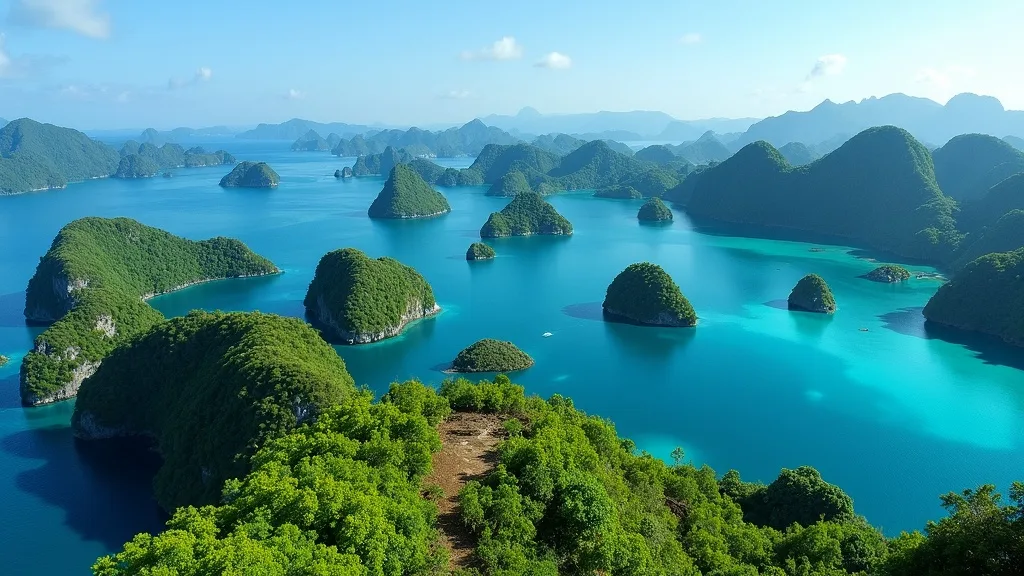
Raja Ampat, Indonesia’s renowned marine tourism destination, anticipates a 2027, with visitor numbers projected to reach 45,000. This growth underscores the critical importance of its Marine Protected Areas (MPAs) in preserving the region’s biodiversity amidst increasing eco-travel and premium liveaboard tourism.
Raja Ampat, an archipelago celebrated for its marine biodiversity, is poised for a significant tourism surge in 2027. This period, particularly the high seasons of December–January and June–August, is predicted to be one of the busiest on record. With international visitor numbers expected to grow substantially, driven by global media coverage and strategic promotions from the Indonesian Ministry of Tourism, the focus on sustainable practices within its Marine Protected Areas (MPAs) becomes paramount. The region’s consistent ranking in the “Top 10 Diving Destinations in the World” by international travel magazines further cements its appeal, compelling a closer look at how these protected zones will manage the influx.
The Rising Tide of Visitors: 2027 Projections
The trajectory of tourism in Raja Ampat has been nothing short of remarkable. In 2024, total visitors reached 33,277, with 24,934 foreign tourists and 8,343 domestic tourists contributing to this figure. This represented an almost twofold increase from 2023’s 19,839 visitors and nearly a sixfold rise from the 5,725 visitors recorded in 2022. The Raja Ampat Regency Tourism Office has set an ambitious target of 45,000 visitors for 2026, aiming to approach the pre-pandemic peak of 46,375 recorded in 2019. By 2027, it is reasonable to expect these numbers to stabilise around this target or even slightly exceed it, placing considerable pressure on the existing infrastructure and, crucially, the delicate marine ecosystems.
Eco-Travel and Premium Experiences: Shaping the 2027 Landscape
A notable trend identified for 2027 is the continued growth of eco-travel and premium speedboat/liveaboard cruises. These preferences are not merely about luxury; they reflect a growing consciousness among travellers seeking immersive, yet responsible, experiences. Liveaboard cruises, in particular, offer enhanced accessibility to remote dive sites within the MPAs and provide a more comprehensive visitor experience. However, this premiumisation comes with a cost. Current prices for a 7-day liveaboard cruise, which sit at AUD 2,800–4,500 per person in 2026, are projected to rise to AUD 3,500–5,500 per person by late 2027. This increase is primarily attributed to rising demand and ongoing infrastructure improvements across the region, including the development of new homestays and resorts, particularly in Waisai and the surrounding islands.
The Role of Marine Protected Areas in Preservation
Raja Ampat’s network of Marine Protected Areas is the cornerstone of its ecological integrity. These areas are vital for safeguarding the region’s extraordinary biodiversity, which includes over 1,500 species of fish, 500 species of coral, and 700 species of molluscs. The management of these MPAs involves stringent regulations on fishing, diving practices, and waste management, all designed to mitigate human impact. As visitor numbers grow, the effectiveness of these regulations will be tested. Educational initiatives for tourists, coupled with robust enforcement by local authorities, are critical to ensuring that the increased footfall does not compromise the very environment that attracts visitors.
Key initiatives within the MPAs include:
- Strict no-take zones to allow fish populations to recover and thrive.
- Regulated diving and snorkelling guidelines to prevent coral damage.
- Community-based conservation programmes involving local populations in stewardship.
- Regular monitoring of marine health and biodiversity indicators.
Infrastructure Development and Local Impact
The anticipated growth in tourism is not without its infrastructural demands. The expansion of Marinda Airport in Waisai, with a projected operational capacity for larger aircraft by 2027, will significantly improve air access. This development, alongside upgrades to port facilities in Sorong, aims to streamline travel logistics for tourists. Furthermore, the growth of new homestays and resorts, particularly in the Waisai area and other key islands, reflects an effort to accommodate the rising demand. While these developments are crucial for managing visitor flow, careful planning is essential to ensure they align with the region’s sustainable tourism goals and do not encroach upon or degrade critical marine habitats. For those seeking a truly bespoke experience, exploring the options available through luxury raja ampat can provide insights into how high-end travel is adapting to these evolving conditions.
Economic Benefits and Conservation Funding
The economic benefits derived from tourism in Raja Ampat are substantial. The region’s entrance fee, the Marine Park Tag, which stands at IDR 500,000 for domestic tourists and IDR 1,000,000 for international tourists in 2026, is a significant source of funding. A portion of these fees is directly channelled back into conservation efforts, supporting the management and protection of the MPAs. This financial model creates a direct link between tourism revenue and environmental stewardship, ensuring that the increasing popularity of Raja Ampat contributes positively to its long-term sustainability. The projected increase in visitor numbers for 2027 will therefore mean a greater financial capacity for conservation, provided the administrative frameworks are robust and transparent.
Navigating the Future: Challenges and Opportunities
As Raja Ampat navigates the anticipated busy year of 2027, several challenges and opportunities present themselves. Managing waste generated by a larger tourist population, controlling potential overcrowding at popular dive sites, and ensuring equitable distribution of tourism benefits among local communities are all critical considerations. However, the increased global attention and visitor numbers also offer an opportunity to reinforce Raja Ampat’s reputation as a model for sustainable marine tourism. By rigorously adhering to MPA guidelines, investing in local capacity building, and promoting responsible travel, Raja Ampat can continue to thrive as a premier diving destination while preserving its invaluable marine heritage for future generations.
2027 Raja Ampat Tourism Overview
| Metric | 2024 Actual | 2026 Target | 2027 Outlook |
|---|---|---|---|
| Total Visitors | 33,277 | 45,000 | ~45,000+ |
| Foreign Tourists | 24,934 | ~33,750 | ~35,000+ |
| Domestic Tourists | 8,343 | ~11,250 | ~10,000+ |
| 7-day Liveaboard (AUD/person) | N/A (2026: 2,800-4,500) | N/A | 3,500-5,500 |
Q&A: Raja Ampat MPAs in 2027
Q: How will Raja Ampat’s MPAs manage the projected increase in visitors in 2027?
A: The MPAs will rely on strengthened enforcement of existing regulations, enhanced visitor education on responsible behaviour, and continued investment of Marine Park Tag fees into conservation initiatives. Community involvement in monitoring and protection efforts will also be vital to manage the increased footfall effectively.
Q: What specific measures are being taken to ensure the sustainability of eco-travel and premium cruises within the MPAs?
A: Eco-travel and premium cruises will be subject to strict operational guidelines within the MPAs, including designated mooring areas, limitations on group sizes for diving and snorkelling, and mandatory adherence to ‘leave no trace’ principles. Operators are increasingly expected to demonstrate their commitment to environmental best practices to maintain their licences.